
CBD Edibles in Canada: Labels, Safety & What to Know
Reading Time: 9 minutes
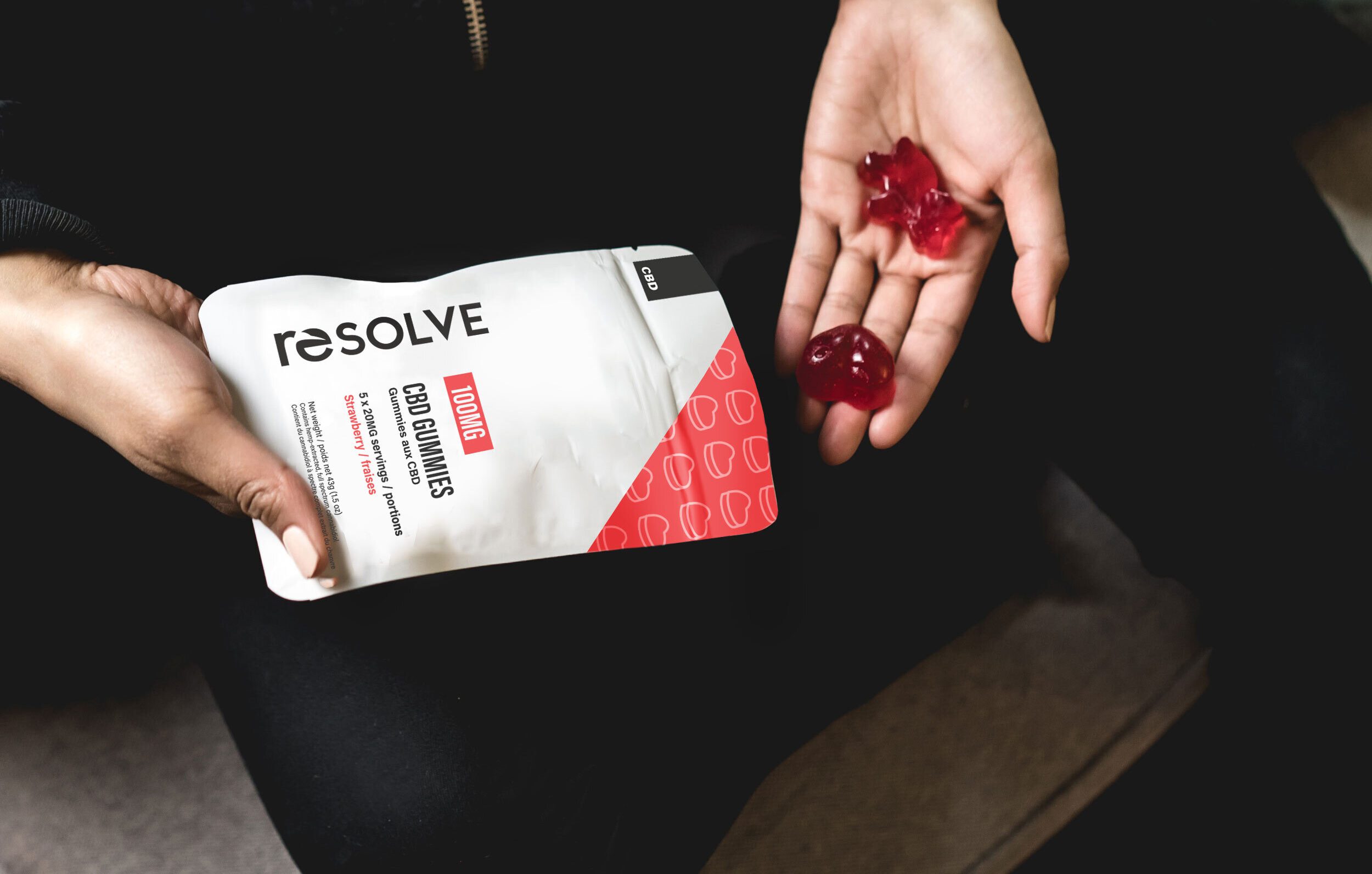
CBD edibles include foods and beverages made with cannabidiol, commonly known as CBD. Gummies may be the most familiar format, but edible cannabis can also include chocolates, baked products, candies and drinks.
Their familiar appearance can make CBD edibles seem straightforward. In practice, consumers still need to understand cannabinoid amounts, delayed onset, ingredient lists, Canadian purchasing rules and safe storage. This guide explains the key information to review before choosing or consuming a CBD edible in Canada.
Contents
What Are CBD Edibles?
CBD edibles are cannabis products intended to be consumed in the same general manner as food or beverages. They contain cannabidiol and may also contain THC or other cannabinoids, depending on the formulation.
CBD is not generally considered intoxicating in the same way as THC. However, this does not mean every CBD edible is THC-free or unable to cause side effects. Consumers should check the declared CBD and THC amounts on the package instead of relying only on the product name.
Common edible formats include:
- gummies and soft chews;
- chocolates and confectionery products;
- cookies and other baked products;
- cannabis-infused beverages; and
- other foods specifically classified and sold as edible cannabis.
Readers interested specifically in gummy ingredients and label information can review the ResolveCBD CBD gummies product page after considering the broader safety and regulatory information below.
CBD and THC Are Not the Same
CBD and THC are both cannabinoids, but they do not have identical effects. THC is the cannabinoid most commonly associated with intoxication and impairment. CBD is not generally intoxicating in the same manner, although it can still affect the body, produce unwanted reactions and interact with medications.
| Characteristic | CBD | THC |
|---|---|---|
| Intoxication | Not generally considered intoxicating in the same way as THC | Can cause intoxication and impairment |
| Label information | The package should identify the total CBD amount and, where applicable, the amount per unit | The package should identify the total THC amount and, where applicable, the amount per unit |
| Possible effects | May cause tiredness, digestive symptoms or other unwanted effects | May affect coordination, judgment, memory, attention and reaction time |
| Medication considerations | May interact with certain prescription and non-prescription medications | May also interact with medications and other substances |
A product described as full-spectrum may contain some THC. A broad-spectrum or isolate product may be formulated differently, but consumers should still rely on the actual cannabinoid information displayed on the package.
How CBD Edibles Are Regulated in Canada
CBD is regulated as cannabis in Canada regardless of whether it was obtained from industrial hemp or another type of cannabis plant. Products containing CBD are legal only when they are produced and sold in accordance with the Cannabis Act, the Cannabis Regulations and the applicable provincial or territorial rules.
Legal age, authorized retailers, possession rules and places where cannabis may be used vary across Canada. Consumers should check the rules that apply in their province or territory.
THC Limit for Edible Cannabis
Legal edible cannabis cannot contain more than 10 mg of total THC in an immediate container. This is a limit for the complete package, not necessarily for each individual piece.
For example, if one package contains four pieces with 2.5 mg of THC each, the complete package contains 10 mg of THC. A package containing ten pieces does not legally permit 10 mg of THC in every piece.
The 10 mg limit applies to THC. Consumers must separately check the label to determine the declared amount of CBD in the package and in each unit.
Packaging and Labelling
Legal edible cannabis is subject to packaging and labelling requirements intended to reduce accidental consumption and help consumers understand the product.
Depending on the product, the package may include:
- total THC and total CBD information;
- cannabinoid amounts per unit, when applicable;
- a complete ingredient list;
- allergen and nutrition information where required;
- a health warning message;
- lot and packaging information;
- recommended storage conditions; and
- child-resistant packaging.
How to Read a CBD Edible Label
The largest number printed on a package may refer to the entire container rather than one gummy, chocolate or serving. Before consuming an edible, identify both the amount per unit and the total amount in the package.
| Label Detail | What It Means | What to Verify |
|---|---|---|
| Total CBD | The declared amount of CBD in the complete package | Confirm whether the number applies to one unit or the entire container. |
| CBD per unit | The amount of CBD declared in one individual piece | Multiply the unit amount by the number of pieces to understand the package total. |
| Total THC | The declared THC content of the complete package | Do not assume that a CBD-labelled product contains no THC. |
| THC per unit | The amount of THC in one piece or serving | Add the amount from every piece consumed when calculating total intake. |
| Ingredient list | Identifies sweeteners, flavours, colours, oils and other ingredients | Check for allergens, dietary restrictions and ingredients that may cause sensitivity. |
| Packaging date and lot number | Help identify and trace the product | Keep the original package while the product is being stored or used. |
| Storage instructions | Explain the conditions intended to maintain product quality | Follow instructions relating to heat, moisture, light and refrigeration. |
Why Edible Cannabis Has a Delayed Onset
Cannabinoids in an edible pass through the digestive system before being absorbed and processed by the body. This generally takes longer than inhaling cannabis and may differ from using an oil under the tongue.
Health Canada advises that effects from eating or drinking cannabis may begin within approximately 30 minutes to two hours. It can take up to four hours to experience the full effects.
This delay creates a risk of overconsumption. Someone who does not notice an immediate change may consume another piece before the first amount has reached its full effect.
Factors That Can Affect Timing
- Food: Eating before or around the same time may influence absorption and timing.
- Product formulation: Beverages, chocolates, gummies and baked products may not behave identically.
- Individual metabolism: People can process edible products at different rates.
- CBD and THC amounts: The cannabinoid composition affects the overall experience.
- Previous cannabis experience: A new consumer may respond differently from someone who uses cannabis regularly.
- Medications and other substances: Alcohol, prescription medication and other substances may change the effects or risks.
How Long Can the Effects Last?
The noticeable effects of edible cannabis may last for several hours. Health Canada notes that effects from eating or drinking cannabis can sometimes last up to 24 hours, depending on the product and the individual.
A person should not drive, operate machinery or perform safety-sensitive work while impaired. This remains important even when a product is marketed primarily around CBD, because it may contain THC or affect the individual in an unexpected way.
Is There a Standard CBD Edible Dosage?
There is no universal amount of CBD that is appropriate for every consumer, product or reason for use. A general recommendation such as 5–10 mg does not account for differences in product formulation, medications, medical history, THC content or individual response.
Consumers should read the specific product instructions and understand the cannabinoid amount in each unit. Someone considering CBD for a medical symptom should speak with a physician, pharmacist or other qualified healthcare professional instead of relying on a generic online dosage chart.
Using more CBD does not guarantee a stronger or more useful result. It may increase the likelihood of tiredness, digestive symptoms, medication interactions or other unwanted effects.
Ingredients and Dietary Considerations
Edible cannabis contains food ingredients in addition to cannabinoids. Depending on the format, these may include sugar, glucose syrup, gelatin, pectin, chocolate, milk ingredients, coconut oil, flavouring, colouring agents and preservatives.
Before choosing a product, review the ingredient and allergen information for:
- milk, soy, wheat, gluten or nuts;
- gelatin or other animal-derived ingredients;
- sugar and alternative sweeteners;
- artificial colours or flavours;
- coconut-derived oils or other known allergens; and
- ingredients that conflict with vegan, vegetarian or other dietary requirements.
Terms such as natural, organic or plant-based should not replace a careful review of the complete ingredient list.
Legal Products vs. Unregulated Edibles
Unregulated edible products may use colourful packaging that resembles ordinary candy, snacks or well-known food brands. The declared cannabinoid amount may be inaccurate, and the package may lack required warnings or child-resistant features.
Possible warning signs include:
- a claim that one package of edible cannabis legally contains more than 10 mg of THC;
- packaging designed to imitate a popular candy or snack brand;
- missing CBD and THC information;
- no ingredient or allergen information;
- no health warning or product traceability details;
- packaging that is not child-resistant; or
- claims that the edible treats or cures a medical condition.
Consumers should purchase cannabis products through an authorized source in their province or territory. Product testing and manufacturing controls are important, but a downloadable certificate alone does not establish that an unauthorized seller is operating legally.
What Does Research Say About CBD Edibles?
CBD is being studied for several possible applications, but an edible format does not prove a health benefit. A gummy, chocolate or beverage should not be described as an established treatment simply because it contains CBD.
Evidence depends on the specific condition, formulation, amount used and quality of the research. Laboratory studies, animal studies and personal testimonials should not be presented as though they demonstrate that a retail edible will produce the same result in people.
Current evidence does not support guaranteeing that CBD edibles will improve sleep, reduce stress, relieve pain, increase focus or speed physical recovery. CBD should not replace professional assessment or an established treatment plan.
Possible Side Effects and Medication Interactions
CBD and other cannabinoids may cause unwanted effects. These can vary by person and may include:
- tiredness or drowsiness;
- dizziness;
- changes in appetite;
- diarrhea or other digestive symptoms;
- changes in alertness; or
- other reactions related to CBD, THC or the food ingredients.
Speak with a qualified healthcare professional before using CBD if you take prescription or non-prescription medication, have an ongoing medical condition, are pregnant, are planning a pregnancy or are breastfeeding.
Avoid combining cannabis with alcohol or other substances that may increase drowsiness or impairment.
How to Store CBD Edibles Safely
Edible cannabis can closely resemble regular candy, chocolate or baked food. Accidental cannabis poisoning is a serious risk, especially for young children.
- Keep the product locked away and out of the sight and reach of children and pets.
- Keep it in the original packaging so the cannabinoid amounts, warnings and ingredients remain with the product.
- Store it separately from ordinary food to reduce the risk of confusion.
- Do not leave edibles unattended in a handbag, vehicle, bedside drawer or kitchen cupboard accessible to children.
- Follow the storage conditions shown on the label.
- Do not transfer edibles into unlabelled containers or ordinary candy packaging.
Contact a poison centre or seek urgent medical guidance if a child or pet accidentally consumes a cannabis edible. Call emergency services for severe symptoms, loss of consciousness, breathing difficulty or another immediate medical emergency.
Can You Travel With CBD Edibles?
Do not take CBD edibles across Canada’s international border. Importing or exporting cannabis without the required federal authorization remains illegal, even if the product contains CBD, the destination has legalized cannabis or the product was obtained for medical use.
Rules for possession, transportation and use within Canada can differ by province, territory and municipality. Review the applicable rules before travelling domestically.
How to Compare CBD Edible Formats
| Format | Practical Characteristic | Information to Review |
|---|---|---|
| Gummies and chews | Usually divided into individual pieces | CBD and THC per piece, gelatin or pectin, sugars, flavours and child-safe storage |
| Chocolate | May be divided into squares or other units | Amount per square, milk or soy allergens, storage temperature and total package content |
| Baked products | May resemble ordinary cookies or snacks | Serving divisions, allergens, freshness instructions and accidental-consumption risk |
| Beverages | Consumed as a liquid rather than a solid food | Cannabinoid content per container, whether the package contains multiple servings and storage after opening |
Frequently Asked Questions About CBD Edibles in Canada
Are CBD Edibles Legal in Canada?
CBD edibles may be legally produced and sold when they comply with the Cannabis Act, the Cannabis Regulations and the rules of the province or territory where they are sold. CBD remains regulated as cannabis regardless of whether it was obtained from hemp.
Can a Legal CBD Edible Contain THC?
Yes. Some CBD edibles contain THC, while others may contain little or no THC. Legal edible cannabis cannot exceed 10 mg of total THC per immediate container, but consumers should still check both the total package amount and the amount per individual unit.
How Long Do CBD Edibles Take to Work?
Effects from edible cannabis may begin within approximately 30 minutes to two hours. It can take up to four hours to experience the full effects. Timing differs by product and individual.
How Long Can the Effects Last?
Effects may continue for several hours and can sometimes last longer. Health Canada notes that effects from eating or drinking cannabis may last up to 24 hours in some circumstances.
Are CBD Edibles Safer Than Vaping?
Edibles avoid inhaling smoke or aerosol, but they have their own risks. Delayed onset may lead to overconsumption, and candy-like products create a serious accidental-ingestion risk for children. No cannabis format is risk-free.
Are CBD Edibles Suitable for Children?
Do not give a child a CBD edible without appropriate medical guidance and lawful access. Edible cannabis should always be stored locked away and out of the sight and reach of children.
Can CBD Edibles Interact With Medication?
Yes. CBD and other cannabinoids may interact with certain medications. Speak with a physician or pharmacist before combining CBD with prescription or non-prescription drugs.
Does a Third-Party Lab Report Prove an Edible Is Legal?
No. Laboratory information can provide useful details about a product, but it does not replace legal production, packaging, labelling and authorized retail requirements. Consumers should purchase cannabis through a legal source in their province or territory.
Official Resources for Canadian Consumers
- Health Canada: Cannabidiol and industrial hemp
- Health Canada: How to read a cannabis product label
- Health Canada: Safe storage of cannabis
- Health Canada: How to recognize legal cannabis products
- Health Canada: The Cannabis Act and travel rules
Related resolveCBD Information
Consumers who want to compare available edible formats can review the resolveCBD edibles collection for ingredient, package and cannabinoid information. Additional educational and product resources are available through the resolveCBD website.
Conclusion
CBD edibles offer a familiar food or beverage format, but they should not be treated like ordinary snacks. Consumers need to understand the amount of CBD and THC in each unit, the total package content, the possibility of delayed effects and the importance of secure storage.
The presence of CBD does not make an edible a proven treatment for stress, sleep, pain or another health concern. An informed decision should be based on clear labelling, legal purchasing, ingredient awareness, realistic expectations and professional health advice when appropriate.
Disclaimer: This article is provided for general informational purposes only and is not intended as medical advice, diagnosis or treatment. CBD, THC and other cannabinoids may cause side effects and may interact with medications. Consult a qualified healthcare professional before using CBD, particularly if you take medication, have a medical condition, are pregnant, are planning a pregnancy or are breastfeeding. Always follow federal, provincial and territorial laws applicable to cannabis products.
DISCLAIMER: Information and products presented by resolveCBD are not intended to diagnose, treat, cure, or prevent any disease or ailment, nor is it intended to be a substitute or alternative for professional medical advice. Always consult with a licensed professional regarding medical treatment or possible interactions with prescribed drugs. Products are intended to be used as directed, by individuals who are 19 years of age or older.