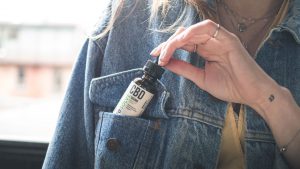

CBD for Stress: What You Need to Know Before Trying It
Reading Time: 9 minutes
Stress is a normal response to demanding or uncertain situations. Deadlines, financial pressure, caregiving responsibilities, relationship concerns and major life changes can all affect concentration, sleep, energy and mood.
Because CBD is often promoted as a calming wellness product, some people wonder whether it can help them manage stress. Early research has examined CBD in relation to anxiety and responses to stressful situations, but the evidence is not strong enough to treat CBD as a proven or predictable stress remedy.
This guide explains the difference between everyday stress and an anxiety disorder, what researchers currently know about CBD, what remains uncertain and which safety questions should be considered before using a CBD product.
Contents
What Is Stress?
Stress is the body’s response to a perceived demand, threat or challenge. It can affect thoughts, emotions and physical sensations.
A brief stress response is not automatically harmful. It may temporarily increase alertness and help someone respond to an urgent situation. Problems can develop when stress is intense, repeatedly returns or continues without enough time for recovery.
Acute and Ongoing Stress
| Type of Stress | General Description | Possible Examples |
|---|---|---|
| Acute stress | A short-term response connected to a particular event or demand | A difficult meeting, examination, disagreement, missed deadline or unexpected expense |
| Repeated stress | Stress responses that occur frequently because similar pressures keep returning | Ongoing workload problems, repeated financial concerns or recurring family conflict |
| Chronic stress | Stress that continues over a longer period and becomes difficult to recover from | Long-term caregiving pressure, unsafe living conditions, persistent workplace problems or prolonged financial insecurity |
Ongoing stress may be associated with irritability, difficulty concentrating, sleep disruption, headaches, muscle tension, changes in appetite or feeling overwhelmed. These symptoms can have many causes, so persistent or worsening problems should not automatically be attributed to stress.
Stress Is Not the Same as an Anxiety Disorder
Stress and anxiety can overlap, but they are not interchangeable terms.
Stress is often connected to an identifiable pressure. Anxiety may continue even when there is no immediate threat, and an anxiety disorder involves symptoms that are persistent, difficult to control or disruptive to daily life.
| Everyday Stress | Possible Anxiety-Related Concern |
|---|---|
| Usually connected to a recognizable situation | Fear or worry may feel excessive or continue without a clear immediate cause |
| Often improves after the situation is resolved | Symptoms may persist, repeatedly return or spread to several areas of life |
| May temporarily affect sleep or concentration | May substantially interfere with work, school, relationships, sleep or daily activities |
| May respond to rest, problem-solving and practical support | May require assessment and an evidence-based treatment plan |
CBD should not be used to self-diagnose or independently treat an anxiety disorder. Readers researching that topic can review our separate article on CBD and anxiety research.
What Is CBD?
CBD, short for cannabidiol, is one of the naturally occurring cannabinoids found in cannabis. It does not generally produce the intoxicating high associated with THC, but it is still biologically active and can affect the brain and body.
CBD is regulated as cannabis in Canada regardless of whether it was obtained from industrial hemp or another type of cannabis plant. A product should not be treated as an unrestricted supplement simply because it is described as hemp-derived, natural or non-intoxicating.

How Might CBD Affect Stress and Anxiety?
Researchers are studying several possible ways CBD may influence responses related to stress and anxiety. These include interactions with cannabinoid signalling, serotonin-related pathways and brain regions involved in fear, emotion and stress processing.
These possible mechanisms do not prove that a retail CBD product will make someone feel calmer. Biological plausibility, animal studies and laboratory findings are early stages of evidence—not confirmation of a reliable effect in everyday use.
CBD products also differ in concentration, extract type, THC content, additional ingredients and method of use. Results from one carefully controlled formulation should not automatically be applied to every oil, gummy or capsule available to consumers.
What Does Human Research Show?
Some small human studies have reported reductions in anxiety during specific experimental or clinical situations. CBD has also been studied in people with social anxiety, anxiety symptoms, substance-use disorders and other conditions in which stress or anxiety was measured.
However, the overall evidence remains uncertain for several reasons:
- Many studies are small and include limited numbers of participants.
- Study populations differ, making it difficult to apply one result to everyone experiencing stress.
- CBD amounts vary widely between studies and may not resemble amounts found in retail products.
- Formulations differ in purity, delivery method and the presence of other cannabinoids.
- Some studies examine one-time use, while others look at repeated use over several weeks.
- Stress and anxiety are measured differently across trials.
- Long-term effects remain insufficiently understood.
Recent reviews have described CBD as promising enough to justify additional research, but they have not established a standard CBD product, amount or treatment schedule for everyday stress or anxiety disorders.
Can Expectations Influence the Experience?
A person’s expectations may affect how calm, anxious or stressed they report feeling after taking a product. This is one reason placebo-controlled studies are important.
If someone expects CBD to produce an immediate sense of calm, that belief may influence the experience independently of the product’s pharmacological effect. Personal testimonials cannot reliably separate CBD’s effects from expectation, changes in the stressful situation, rest, social support or other interventions used at the same time.
CBD Is Not a Substitute for Stress Management
Even if future evidence clarifies a role for CBD, it would not remove the circumstances causing someone’s stress. Financial problems, unsafe working conditions, sleep deprivation, caregiving burden and relationship conflict usually require practical support or changes—not only a wellness product.
Depending on the situation, a broader stress-management plan may include:
- identifying the main source of pressure;
- breaking difficult tasks into smaller steps;
- setting limits around work, notifications or other recurring demands;
- maintaining a regular sleep and meal routine where possible;
- using physical activity, breathing exercises or other relaxation practices;
- seeking help from trusted family members, friends or community services;
- speaking with an employer, financial adviser or other relevant professional about a practical problem; and
- consulting a qualified healthcare or mental-health professional when symptoms persist.
CBD Product Formats and Practical Differences
No CBD format has been established as the best treatment for stress. Oils, gummies and capsules differ mainly in how they are measured, consumed and absorbed.
| Format | How It Is Generally Used | Important Considerations |
|---|---|---|
| CBD oil | Measured with a dropper and used according to the product instructions | Concentrations vary. Consumers need to distinguish the total bottle amount from the amount per millilitre. |
| CBD gummies | Chewed and swallowed as an edible product | Effects are delayed through digestion, and the candy-like format creates an accidental-ingestion risk. |
| CBD capsules | Swallowed as a pre-measured oral unit | Onset may be delayed, and capsule ingredients should be reviewed for allergens or dietary restrictions. |
| CBD topicals | Applied externally to an area of skin | A topical product should not be expected to have the same effects as an oral product. |
Readers comparing formats can review the product and ingredient information for full-spectrum CBD oil, CBD gummies and CBD capsules. These links provide format examples and should not be interpreted as recommendations for treating stress or anxiety.
Is There a Recommended CBD Amount for Stress?
There is no clinically established universal CBD amount for everyday stress. Online advice to begin with a particular number of milligrams may not account for important differences between people and products.
Individual response can be affected by:
- the concentration and formulation of the product;
- whether THC or other cannabinoids are present;
- prescription and non-prescription medications;
- medical and mental-health conditions;
- previous cannabis use;
- food, alcohol and other substances; and
- the specific reason the person is considering CBD.
Someone seeking help for persistent stress, anxiety or another health concern should speak with a qualified healthcare professional rather than relying on a general dosage recommendation from a commercial article.
CBD Side Effects and Medication Interactions
CBD does not generally produce a THC-like high, but it can still cause unwanted effects. Possible reactions may include:
- drowsiness or fatigue;
- dizziness;
- nausea or digestive symptoms;
- changes in appetite;
- changes in alertness; and
- other effects that vary by person, product and amount.
CBD may change how the body processes certain medications. This can alter medication levels or increase the likelihood of side effects.
Consult a physician or pharmacist before using CBD if you take:
- antidepressant, anti-anxiety or sleep medication;
- blood thinners;
- seizure medication;
- heart or blood-pressure medication;
- medication carrying a grapefruit warning; or
- another prescription or non-prescription product that affects alertness or liver metabolism.
Do not stop or change prescribed medication in order to begin using CBD unless the prescribing professional has advised you to do so.
CBD, THC and Worsening Anxiety
A CBD-labelled product may contain THC, particularly when it is described as full-spectrum. THC can increase anxiety, panic, confusion or impairment in some people.
Anyone who is sensitive to THC, subject to drug testing or concerned about intoxication should review the declared THC content rather than assuming a CBD product is THC-free.
Frequent use of cannabis products containing THC may also create different mental-health risks from the effects being studied for CBD alone. Research involving purified CBD should not be used to make broad claims about every full-spectrum cannabis product.
Who Should Seek Professional Advice Before Using CBD?
Professional advice is particularly important for people who:
- take prescription or non-prescription medication;
- have a diagnosed anxiety, mood, psychotic, neurological or substance-use disorder;
- have liver, heart or other significant medical conditions;
- are pregnant, planning a pregnancy or breastfeeding;
- have previously experienced panic, paranoia or another unwanted cannabis reaction;
- use alcohol or other sedating substances regularly; or
- are considering CBD as a replacement for an established treatment.
When Is Stress a Reason to Seek Help?
Consider speaking with a physician, therapist or another qualified professional when stress:
- continues for several weeks without improving;
- substantially disrupts sleep, work, school or relationships;
- causes repeated panic-like episodes or intense physical symptoms;
- leads to increasing alcohol, cannabis or other substance use;
- is accompanied by persistent low mood, loss of interest or hopelessness;
- makes ordinary responsibilities feel unmanageable; or
- is connected to an unsafe home, work or relationship situation.
Seek urgent medical assistance when symptoms include chest pain, severe difficulty breathing, loss of consciousness, sudden confusion or another possible emergency.
How to Evaluate a CBD Product in Canada
A consumer considering CBD should focus on objective product information rather than claims that a product is calming, stress-focused or designed to create balance.
- Use an authorized source in the relevant province or territory.
- Check both CBD and THC on the label.
- Confirm the amount per unit rather than relying only on the total package amount.
- Review all ingredients for allergens and other active substances.
- Read the warnings and storage directions before use.
- Be cautious with therapeutic promises that claim a product treats anxiety, eliminates stress or produces guaranteed calm.
- Do not assume stronger is better or that using several formats together is safer or more effective.
Frequently Asked Questions About CBD and Stress
Does CBD Reduce Stress?
Some small studies suggest CBD may influence anxiety or stress responses in certain situations. However, the evidence is not yet strong enough to guarantee that CBD reduces everyday stress or to recommend one retail product for that purpose.
Does CBD Work Immediately?
There is no universal onset time. Timing depends on the product format, concentration, food, individual metabolism and other factors. Feeling different soon after using CBD does not by itself prove that the product treated the source of the stress.
Is CBD Better Than Therapy or Medication?
Current evidence does not support using CBD as a general replacement for psychotherapy, prescribed medication or another established treatment. Treatment decisions should be made with an appropriately qualified healthcare professional.
Can CBD Make Anxiety Worse?
Responses vary. CBD may cause unwanted effects such as dizziness or changes in alertness, while THC in a full-spectrum product may increase anxiety or panic in some people. Stop using the product and seek advice if symptoms worsen.
Can CBD Be Taken With Antidepressants or Anxiety Medication?
CBD can interact with some medications. Consult a physician or pharmacist before combining CBD with antidepressants, anti-anxiety medication, sleep medication or another prescription product.
Is Full-Spectrum CBD Better for Stress?
There is no established evidence that full-spectrum CBD is consistently better for stress. Full-spectrum products may contain THC, which introduces additional impairment, anxiety and drug-testing considerations.
Can CBD Be Used Every Day?
The safety and appropriateness of regular use depend on the product, amount, other cannabinoids, medications and individual health. Long-term evidence remains limited, so repeated use should not be assumed to be risk-free.
Official and Scientific Resources
- Health Canada: Cannabidiol and industrial hemp
- Health Canada: Cannabis and cannabinoids for healthcare professionals
- Health Canada: Cannabis side effects
- Systematic review of randomized trials examining CBD and anxiety disorders
- Meta-analysis of CBD research involving anxiety disorders
- Study examining CBD expectations, stress and anxiety
Conclusion
CBD is being studied for possible effects on stress and anxiety, and some early human findings are encouraging. However, the research remains too limited and inconsistent to describe CBD as a proven stress treatment or to recommend one product, amount or format for everyone.
Stress can also be a response to practical circumstances that no supplement can resolve. Identifying the source of the pressure, using established coping strategies and obtaining professional or practical support may be more important than selecting a wellness product.
Anyone considering CBD should review its CBD and THC content, understand possible side effects, check for medication interactions and use a legal Canadian source. Persistent or disruptive stress deserves appropriate assessment rather than repeated self-treatment.
Disclaimer: This article is provided for general informational purposes only and is not intended as medical advice, diagnosis or treatment. CBD and other cannabis products may cause side effects and may interact with prescription and non-prescription medications. Consult a qualified healthcare professional before using CBD, particularly if you take medication, have a medical or mental-health condition, are pregnant, are planning a pregnancy or are breastfeeding. Do not change or discontinue prescribed treatment without professional guidance.
DISCLAIMER: Information and products presented by resolveCBD are not intended to diagnose, treat, cure, or prevent any disease or ailment, nor is it intended to be a substitute or alternative for professional medical advice. Always consult with a licensed professional regarding medical treatment or possible interactions with prescribed drugs. Products are intended to be used as directed, by individuals who are 19 years of age or older.