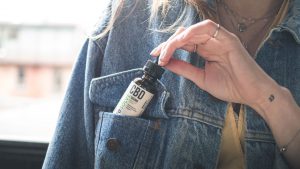

The Ultimate Guide to CBD Oil in Canada
Reading Time: 6 minutes
CBD oil has become a topic of growing interest in Canada, especially among adults who want to better understand hemp-derived wellness products and how they fit into a broader self-care routine. With so many terms on product labels—such as full-spectrum, broad-spectrum, and isolate—it can be difficult to know what they actually mean. This guide explains what CBD oil is, how full-spectrum formulas differ from other types, what current research says, and what to look for when choosing a CBD oil in Canada.
Contents
How to Read a CBD Oil Label
A CBD oil label can provide important information about the product beyond the total number of milligrams shown on the front of the bottle. When comparing CBD oils, review the total CBD in the container as well as the concentration per measured amount, such as per millilitre or dropper.
Also check the THC content, carrier oil, ingredient list, lot or batch information, storage instructions and the suggested use provided with the specific product. A full-spectrum CBD oil may contain THC, so consumers should not assume that every CBD product is THC-free.
Why a Dosage-by-Weight Chart Can Be Misleading
CBD use cannot be reliably determined from body weight alone. Two people of the same weight may respond differently because of factors such as product concentration, THC content, medications, health conditions, previous cannabis experience and other substances being used.
Generic charts that assign a low, medium or high CBD amount based only on body weight can create a false sense of precision. There is no universal CBD amount that is appropriate for every person or every reason for use.
Additional CBD Oil Safety Considerations
Can CBD Interact With Medication?
Yes. CBD and other cannabinoids may interact with certain prescription and non-prescription medications or affect how the body processes them. Anyone taking medication should speak with a pharmacist, physician or other qualified healthcare professional before using CBD.
Can Full-Spectrum CBD Affect a Drug Test?
Full-spectrum CBD products may contain THC. Repeated use or differences in product composition may create a risk of a positive THC test. People who are subject to workplace, athletic or other drug testing should review the THC content carefully and consider this possibility before use.
Official Resources for Canadian Consumers
- Health Canada: Cannabidiol and industrial hemp
- Health Canada: How to read and understand a cannabis product label
- Health Canada: Choosing a cannabis product
- Health Canada: Cannabis side effects
What Is CBD Oil?
CBD, short for cannabidiol, is a naturally occurring compound found in the cannabis plant. Unlike THC, CBD is not generally associated with the intoxicating “high” people commonly connect with cannabis. CBD oil is typically made by extracting cannabidiol from hemp or cannabis and blending it with a carrier oil such as MCT oil or hemp seed oil.
In Canada, CBD products are regulated under the Cannabis Act, so it’s important to buy from sources that provide clear labelling, ingredient information, and quality testing. If you’d like to see an example of a full-spectrum option, you can view our Full-Spectrum CBD Oil page for product details and label information.
What Does Full-Spectrum CBD Oil Mean?
Full-spectrum CBD oil contains CBD along with other naturally occurring compounds found in the plant, including minor cannabinoids, terpenes, and small amounts of THC within legal limits. Some people prefer full-spectrum formulas because they want a more complete plant profile. You may also see the term entourage effect, which is used to describe the theory that these compounds may work together. Research in this area is still developing, so experiences can vary from person to person.
Full-Spectrum vs. Broad-Spectrum vs. CBD Isolate
These terms often cause confusion, but they’re useful when comparing products:
- Full-spectrum CBD oil: Contains CBD plus other naturally occurring plant compounds, including trace levels of THC within legal limits.
- Broad-spectrum CBD oil: Contains CBD and other plant compounds, but is typically formulated to remove THC.
- CBD isolate: Contains purified CBD only, with no other cannabinoids or terpenes.
Why People Use CBD Oil

People explore CBD oil for a variety of reasons, including general wellness, relaxation, and support for everyday discomfort. Interest in CBD is widespread, but it’s important to separate personal experiences from established medical evidence. Research is ongoing, and the effects of CBD may differ depending on the person, the product, and the reason for use.
- Everyday stress and relaxation: Some adults use CBD as part of a calming evening routine or broader wellness plan.
- Sleep support: CBD is sometimes explored by people who want to improve their bedtime habits, although results vary and research is still emerging.
- Post-activity recovery or discomfort: Some people use CBD products after exercise or during periods of physical tension.
- Preference for non-intoxicating formats: Many consumers are interested in CBD because it does not generally produce the same intoxicating effects associated with THC.
If you’re exploring different product formats, you may also find it helpful to read more about CBD gummies or review our article on CBD vape basics to understand how oils compare with other formats.
Table: CBD Oil Compared With Other Common CBD Formats
| Product | Typical Use | General Onset Range |
|---|---|---|
| CBD Oil | Flexible format that can be measured by dropper and taken orally | Often around 15–60 minutes when taken under the tongue |
| CBD Cream | Applied directly to a specific area of the body | Varies by product and individual use |
| CBD Gummies | Pre-measured edible format for convenient oral use | Often around 30–90 minutes, depending on digestion |
Some people use more than one format depending on their routine. For example, those who are comparing topical options can also review our CBD Pain Cream page to learn how topical products differ from oils.
How to Use CBD Oil Safely
CBD oil is often taken sublingually, which means placing the oil under the tongue, holding it there for 30–60 seconds, and then swallowing. This method is commonly chosen because it is easy to measure and convenient for everyday use.
If you are new to CBD, it’s usually best to start with a low amount and increase gradually only if needed. Keeping a simple journal of the amount used, the timing, and how you feel can be helpful. Because individual responses vary, there is no single amount that works for everyone.
It’s also a good idea to speak with a healthcare professional before using CBD if you are pregnant, breastfeeding, taking prescription medications, or managing an ongoing medical condition. CBD may interact with certain medications.
How to Store CBD Oil
To help maintain freshness and consistency, store CBD oil in a cool, dry place away from direct sunlight and heat. A cabinet or drawer is usually a good option. Make sure the bottle is sealed tightly after each use.
If you want to compare available strengths or review serving information, you can refer to our CBD oil product page for label details and format options.
What to Look for When Choosing CBD Oil in Canada
Not all CBD oils are presented the same way, so it helps to know what to check before purchasing. A more informed choice usually starts with the label and the supporting product information.
- Clear cannabinoid information: Look for the total amount of CBD in the bottle and, when available, the amount per serving.
- Third-party testing: Independent lab testing can help verify cannabinoid content and check for contaminants.
- Ingredient transparency: A good label should identify the carrier oil and any added flavouring or ingredients.
- Product type: Make sure you understand whether the product is full-spectrum, broad-spectrum, or isolate-based.
- Suitability for your routine: Consider whether you prefer an oil, edible, or topical format based on convenience and personal preference.
At ResolveCBD, we focus on product transparency and education. Our Full-Spectrum CBD Oil page includes information about strengths, ingredients, and lab-tested quality so customers can make a more informed decision.
FAQs About CBD Oil in Canada
Is CBD Oil Legal in Canada?
CBD oil is legal in Canada, but it is regulated under federal cannabis laws. Consumers should buy CBD products from legal, compliant sources and review local rules where applicable.
Will CBD Oil Make You Feel High?
CBD itself is non-intoxicating. However, full-spectrum products may contain trace amounts of THC within legal limits, so product type matters when choosing an option that fits your preferences.
How Long Does CBD Oil Take to Work?
That depends on the format, the amount used, and the individual. When taken under the tongue, some people notice effects sooner than they would with an edible product, but experiences vary.
How Do I Choose the Right CBD Oil?
Start by looking at the spectrum type, ingredient list, strength, and whether third-party testing information is available. It’s also helpful to think about your goals, routine, and comfort level with different formats.
Where Can I Learn More About Full-Spectrum CBD Oil?
If you’d like to review a product example in more detail, you can visit our Full-Spectrum CBD Oil page to compare strengths and learn more about how the product is presented.

Understanding CBD oil starts with knowing what’s in the bottle, how the product is used, and what current evidence can and cannot tell us. Whether you’re researching full-spectrum formulas or comparing different CBD formats, taking an informed and cautious approach is the best place to start.
Disclaimer: This article is intended for informational purposes only and does not provide medical advice, diagnosis, or treatment. CBD products may not be suitable for everyone. Always consult a qualified healthcare professional before using CBD, especially if you are pregnant, breastfeeding, taking medication, or managing a medical condition. Be sure to follow all applicable laws and regulations in your province or territory.
Looking for CBD oil in Canada? Compare available strengths, formats and other lab-tested options in our CBD oil and CBD products collection.
DISCLAIMER: Information and products presented by resolveCBD are not intended to diagnose, treat, cure, or prevent any disease or ailment, nor is it intended to be a substitute or alternative for professional medical advice. Always consult with a licensed professional regarding medical treatment or possible interactions with prescribed drugs. Products are intended to be used as directed, by individuals who are 19 years of age or older.